Cross Border Shipping Between Canada and the USA
A shipment that crosses the Canada–U.S. border carries risk a domestic move doesn’t: incomplete paperwork, a broker who isn’t ready, or a border delay that cascades into a missed delivery window. Hauler Freight provides cross border shipping. FTL, LTL, dry van, refrigerated, and flatbed with the coordination that keeps those risks from becoming your problem.
Cross Border Freight Should Not Feel Complicated
Most cross-border delays don’t happen on the road. They happen at the handoff points. Paperwork that wasn’t confirmed before the truck reached the border. A broker who wasn’t briefed on the shipment. A delivery window that assumed a clean crossing and didn’t account for inspection time.
Hauler Freight’s role is to close those gaps before they cost you time: confirming documentation is in order, coordinating with your customs broker ahead of the crossing, and building realistic timelines instead of best-case ones. The freight still has to cross the border either way. The difference is whether that crossing is planned for or discovered.
Canada–USA Cross Border Freight Shipping
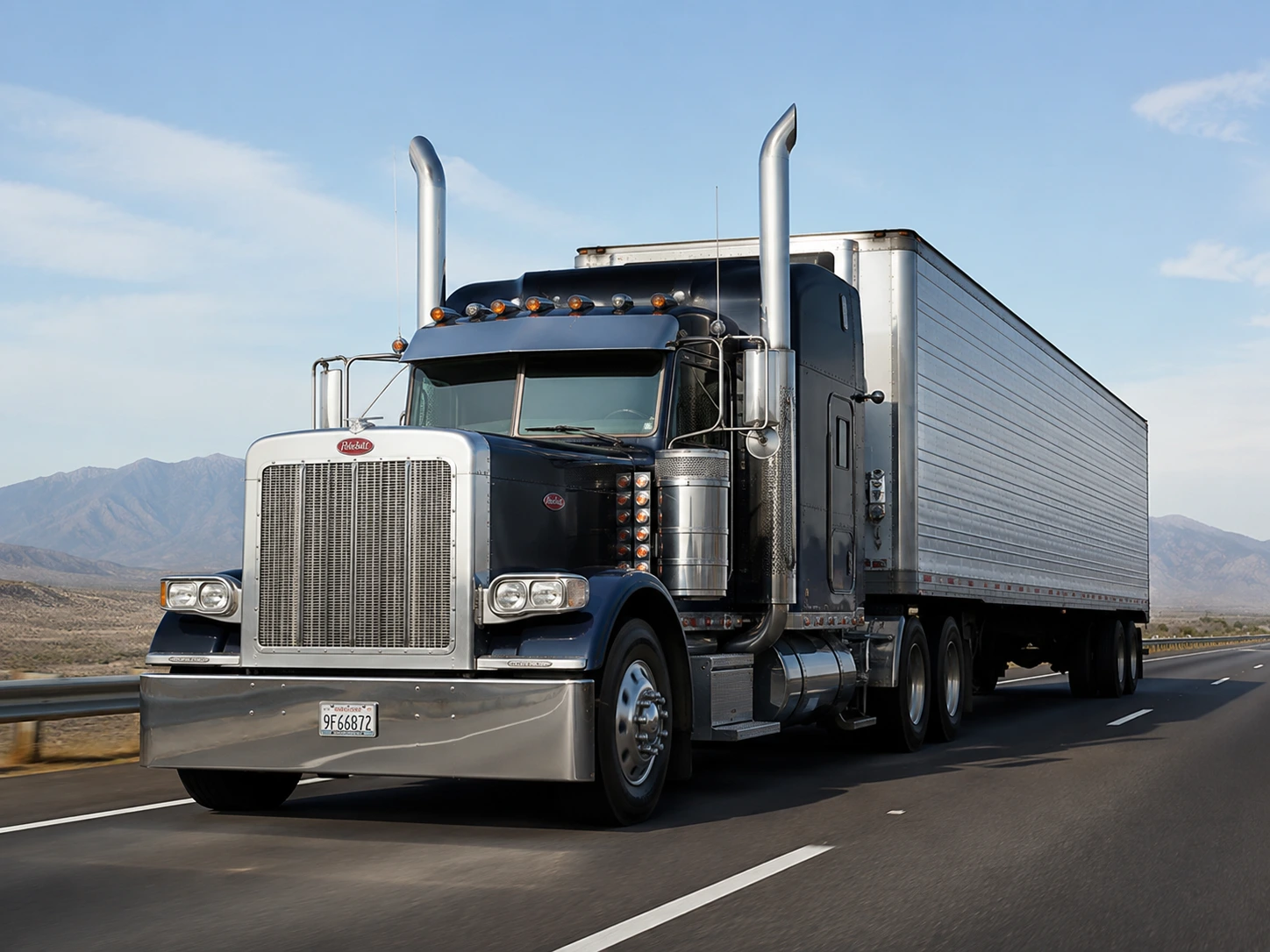
Hauler Freight coordinates reliable freight shipping between Canada and the USA, including pickups and deliveries across Toronto, the GTA, Ontario, and major U.S. markets. We support manufacturers, distributors, retailers, suppliers, and other businesses with organized pickup, border transportation, final delivery, and clear communication throughout the shipping process.
Equipment and Capacity for Either Side of the Border
Cross-border freight isn’t a separate service so much as our standard equipment lineup applied across a Canada–U.S. route:
- FTL for shipments large enough to justify a dedicated trailer, with fewer handling points and more direct routing
- LTL for smaller loads that share trailer space, keeping cost proportional to what you're actually shipping
- Dry van, refrigerated, and flatbed equipment matched to what the freight requires, not defaulted to whatever's available
We support freight moving in both directions. Canada into the USA, and USA into Canada for manufacturers, distributors, retailers, and suppliers with recurring or one-off cross-border needs.
Our Cross Border Shipping Process
Shipment Review
We collect the freight dimensions, weight, commodity details, pickup location, destination, and requested delivery schedule.
Transportation Planning
Our team selects an appropriate route, equipment type, and cross-border trucking solution based on your shipment requirements.
Border Coordination
We confirm that the necessary transportation information is available and coordinate with the parties involved in the shipment before border movement.
Delivery and Communication
Your freight is transported to its Canadian or American destination, with communication provided throughout the shipping process.
What We Handle Before Your Freight Reaches the Border
Documentation Review
We confirm the shipment’s paperwork is in order and coordinate with the customs broker selected by the shipper or receiver. We don’t handle customs clearance directly, but we make sure the transportation side is ready for it.
Route and Equipment Planning
Your shipment’s dimensions, weight, commodity, and timeline determine the route and equipment. Not a default template applied to every crossing.
Realistic Timelines
We build delivery estimates around what a border crossing actually involves inspection time, processing, and typical delays rather than promising a best-case number and hoping it holds.
Communication Through the Crossing
You’ll hear from us at the points that matter: before the border, at the crossing, and on final delivery not just a confirmation once the freight arrives.
Frequently Asked Questions
No. Customs clearance is completed by a licensed customs broker. We coordinate transportation with the broker selected by the shipper or receiver, and confirm the shipment's paperwork is ready before it reaches the border.
Yes. We support cross-border freight in both directions, based on route and equipment availability.
It depends on volume. FTL makes sense once your shipment is large enough to justify a dedicated trailer. It means fewer handling points and more direct routing. LTL is more cost-effective for smaller loads that don't need a full trailer.
Pickup and delivery locations, cargo type, pallet count, dimensions, weight, equipment requirements, requested dates, and any special handling instructions.
Because the border crossing itself is the variable inspection time, customs processing, and crossing volume all affect timing beyond normal road transit. We give you an estimate based on your specific shipment and route, not a fixed number that ignores the crossing.
Request a Cross Border Freight Quote
Moving freight between Canada and the United States doesn’t have to mean absorbing the risk of a border crossing on your own. Hauler Freight plans the transportation side of that crossing so it doesn’t become a delay.
Share your shipment details and we’ll put together a transportation plan based on your freight, route, and timeline.